
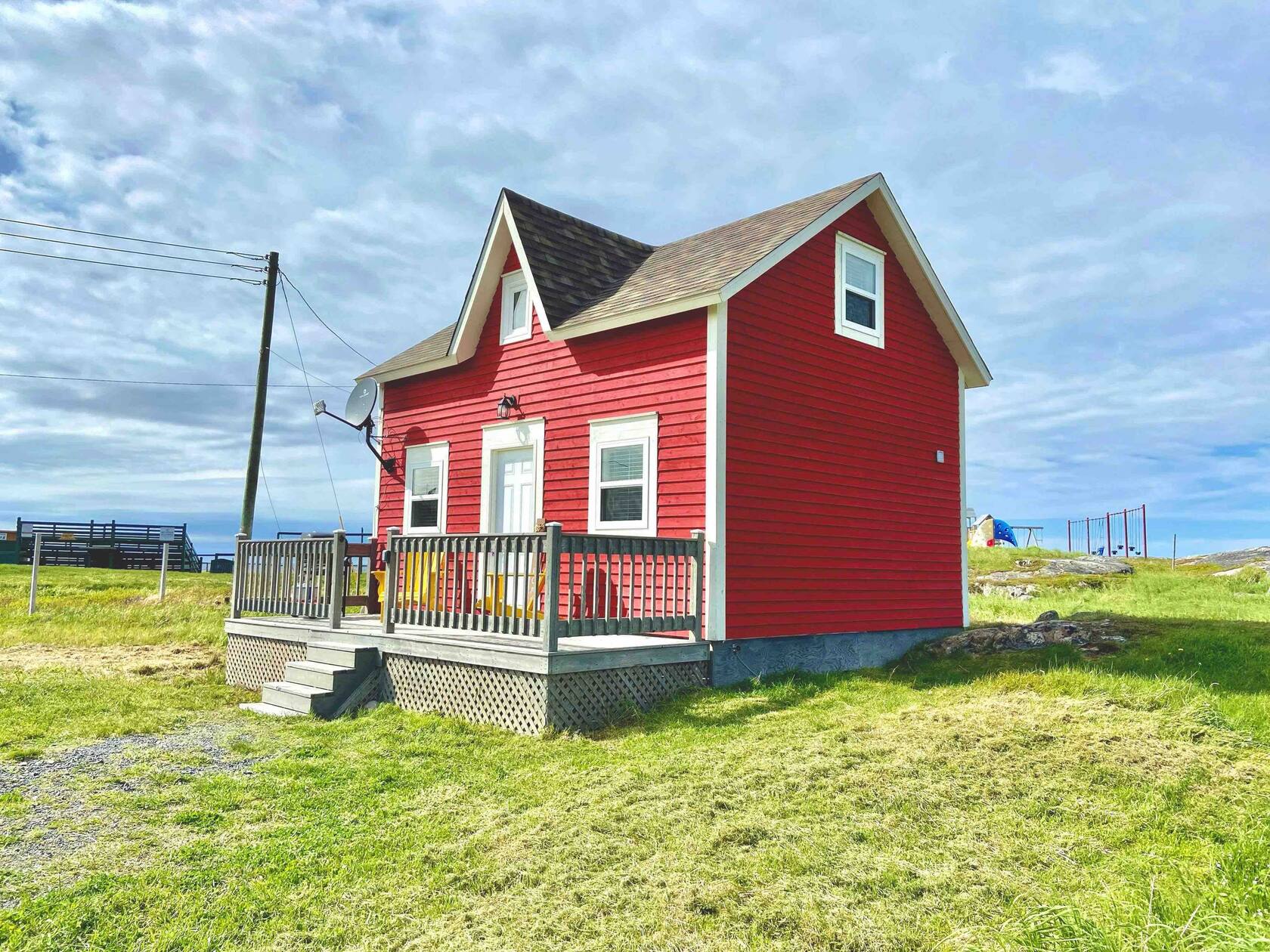
Where Can You Put a Tiny Home in Newfoundland? Zoning and Land Rules Explained
Andrea | 10/30/2026
Finding a tiny home you love is only half the challenge. You also need somewhere you can legally put it.
In Newfoundland and Labrador, the answer depends on the property's zoning, the type of tiny home you plan to install, and the municipality's development regulations. A rural lot, a residential backyard, or even land you already own may not automatically qualify.
If you're still figuring out the rules around tiny-home ownership, start with our guide to whether tiny homes are legal in Newfoundland.
Where Can You Put a Tiny Home in Newfoundland?
There isn't one province-wide rule that allows tiny homes on every type of property. Municipalities set their own land-use rules through municipal plans and development regulations.
Depending on the location and the type of home, possible options include:
A residential lot where the municipality permits the proposed dwelling.
Rural land where residential development is allowed.
A property within an approved tiny-home subdivision or development.
A larger residential property where a second dwelling is permitted.
The important thing is to check the specific property, not just the general description of the land.
1. On a Residential Lot
A residential lot may be suitable for a tiny home, but the municipality must allow that type of dwelling in the property's zoning area.

Some communities have specific provisions for tiny houses. Others classify them under broader residential, mobile-home, or dwelling categories.
Before purchasing a residential lot, check:
Whether a tiny house or small detached dwelling is permitted in the zone.
Minimum lot size and frontage requirements.
Required setbacks from property lines and roads.
Foundation and building-code requirements.
Water, sewage, and utility requirements.
Any restrictions on the number of dwellings allowed on the lot.
Don't assume that a tiny home will be treated like a regular single-family house simply because it is built on a permanent foundation. The municipality may have separate rules for tiny houses.
2. On Rural Land
Rural land can be appealing if you want more privacy, outdoor space, or room to live off-grid. However, a large or inexpensive parcel isn't necessarily suitable for residential development.
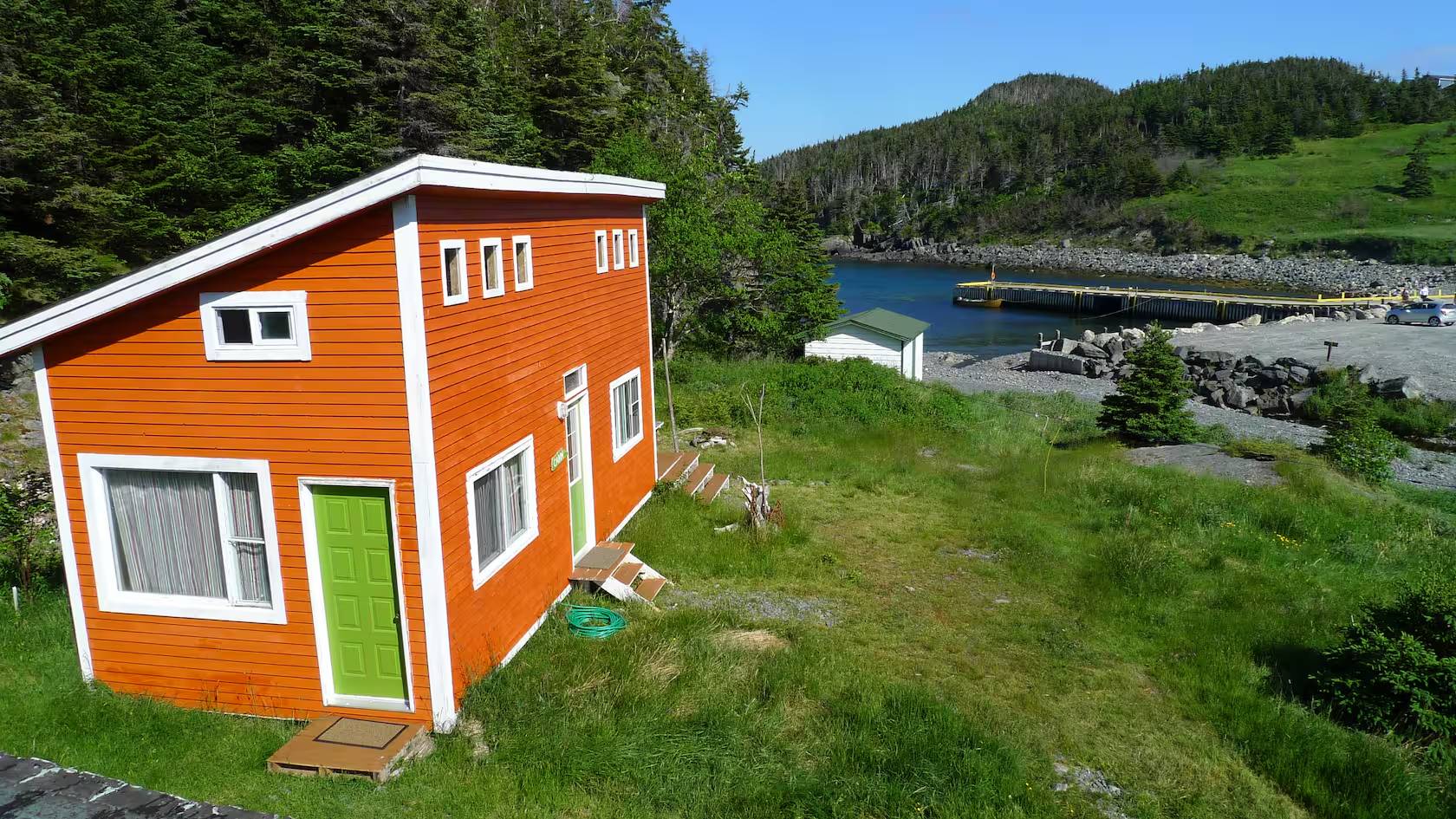
Some rural properties are zoned for residential use, while others are designated for agriculture, forestry, conservation, or other purposes. The permitted uses depend on the municipality's development regulations.
Before buying rural land, find out:
Is residential development permitted in the property's zone?
Does the land meet minimum lot size and frontage requirements?
Is there legal access from a public road?
Are there restrictions related to wetlands, waterways, flood risks, or protected areas?
Can you install an approved well and septic system if municipal services aren't available?
Are development permits or other approvals required?
Also, check who has planning authority over the property. Land outside a municipal boundary may still fall within a planning area or another area with development controls. The provincial Land Use Planning Registry can help you locate registered municipal plans and development regulations.
If you're considering Crown land, you'll need to follow the provincial Crown Lands application process. The province also provides a Land Use Atlas to help applicants research land use and existing Crown land titles. Applying for Crown land does not guarantee approval or permission to build a dwelling.
3. In Your Backyard
Adding a tiny home to an existing residential property may seem like a convenient option, especially if you want a separate space for family members, guests, or rental accommodation.
However, a tiny home used as a separate residence may be treated differently from a garden shed, studio, or other accessory building.
Ask the municipality if the property allows a second dwelling, such as a secondary suite or detached secondary dwelling. You should also check requirements for:
Minimum lot size.
Distance from the main house and property boundaries.
Separate entrances and parking.
Water and sewage connections.
Building permits and inspections.
Some municipalities may allow certain secondary dwelling arrangements but not a separate tiny house on wheels. Confirm the rules before ordering a unit or starting construction.
4. In an Approved Tiny-Home Development
A designated tiny-home subdivision or development may be one of the more straightforward options because the municipality has specific provisions for this type of housing. Tiny-home businesses are also helping bring these housing options to the province. Take a look at how Rollin Cabins is bringing tiny homes to Newfoundland
However, approval usually comes with conditions. These may cover the location of the development, minimum lot standards, building construction, utilities, and site layout.
Two Newfoundland communities provide useful examples.
Norris Point
Norris Point's development regulations include a specific definition and requirements for tiny houses.
The regulations describe a tiny house as a residential dwelling intended for year-round use, designed for a permanent foundation, with permanent provisions for living, sleeping, eating, cooking, and sanitation. The typical maximum floor area is less than 50 square metres.
The regulations also require tiny houses to comply with the National Building Code and meet the applicable site-development standards. A planned unit development application is required for a tiny-home subdivision.
This is an example of a municipality making provisions for tiny homes within its planning framework. It doesn't mean every residential property in Norris Point is automatically suitable.
You can review the Norris Point municipal plan, development regulations, and zoning maps.
Pouch Cove
Pouch Cove also includes specific provisions for tiny houses in its development regulations.
However, its rules are more restrictive than simply allowing an individual tiny home on any residential lot. Tiny houses are considered as part of a residential subdivision designed specifically for tiny houses, with a minimum of eight lots. The development must meet the municipality's requirements, including permanent foundations and National Building Code compliance.
If you're considering land in Pouch Cove, check the zoning and ask the town about its requirements for a proposed tiny-home development.
The current documents and registered amendments are available through the Pouch Cove municipal land-use planning registry.
Can You Put a Tiny Home on Wheels on Private Land?
Not necessarily. A tiny home on wheels can be treated differently from a permanent dwelling, mobile home, or recreational vehicle.
Some municipalities may allow mobile homes only in designated areas or approved developments. Others may require a dwelling to be permanently supported or installed on a foundation, with its wheels and axles removed.
For example, Norris Point's development regulations include conditions for mobile homes placed outside a mobile-home park or subdivision. These include permanent support or a permanent foundation, removal of wheels and axles, and compliance with residential lot standards.
That doesn't automatically mean the same rules apply to a tiny home on wheels. The municipality needs to confirm how it classifies the unit and what uses are allowed.
Before buying a tiny home on wheels, ask:
Can I use it as a full-time residence on this property?
Does it need to be placed on a permanent foundation?
Are there restrictions on how long it can remain on the property?
Does the municipality classify it as a mobile home, recreational vehicle, or dwelling?
What permits and inspections are required?
Permission to park a trailer or recreational vehicle temporarily does not necessarily mean you can use it as a permanent home.
What About Living Off-Grid?
If you want to place a tiny home on rural land and live off-grid, you'll need to consider more than zoning.
A property without municipal water or sewer services may need an approved well, septic system, or other permitted arrangements. You should also check the requirements for electrical installations, road access, and waste disposal.
Living off-grid does not exempt a property from land-use rules or applicable building and public-health requirements.
Before buying an undeveloped lot, review the province's private sewage disposal and water supply requirements. Contact the relevant municipal or provincial office to confirm that your proposed water and sewage arrangements are acceptable. A property may be large enough for a tiny home but still unsuitable because it cannot meet servicing requirements.
How to Check If a Property Allows Tiny Homes
You don't have to figure out all the regulations on your own. Newfoundland and Labrador maintains an online registry where you can find municipal plans, development regulations, and zoning maps.
Here's how to use it.
Step 1: Identify the municipality
Find out which municipality or planning authority is responsible for the property. Don't rely solely on the property's mailing address.
If the land is outside a municipal boundary, ask which planning rules and development controls apply.
Step 2: Find the zoning map
Visit the Newfoundland and Labrador Land Use Planning Registry and look for the municipality's planning documents.
Find the property's zone on the registered zoning map. The zoning designation determines which land uses may be permitted, discretionary, or prohibited.
Step 3: Read the development regulations
Look for the rules that apply to the property's zone and the type of dwelling you want.
Search for terms such as:
Tiny house or tiny home.
Single dwelling.
Mobile home.
Recreational vehicle.
Accessory building.
Secondary dwelling.
These terms may have different definitions, so don't assume that a rule for one type of structure also applies to another.
Step 4: Contact the municipality
Give the municipal planner or town clerk the property's address or parcel details. Explain the type of tiny home you want to install, including its dimensions, foundation, and intended use.
Ask if the proposed use is permitted and what approvals you'll need.
Step 5: Get confirmation before buying
If you're purchasing land specifically for a tiny home, make zoning and development approval part of your due diligence.
Where possible, get written confirmation from the municipality. If the property needs a zoning amendment or development application, find out how long the process may take and what it could cost.
What If Tiny Homes Aren't Allowed on Your Preferred Property?
If the property doesn't meet the requirements, you may still have options.
Look for another lot: Find land in an area where the type of dwelling you want is permitted.
Consider an approved development: Ask if the municipality has provisions for tiny-home subdivisions or other suitable residential developments.
Explore a different home design: A foundation-built tiny home may be treated differently from a unit on wheels.
Ask about a zoning amendment: Some municipalities accept applications to amend their planning documents, but approval is not guaranteed.
Don't purchase land assuming that the municipality will approve an exception or change its zoning later.
Bottom Line
You may be able to put a tiny home on a residential lot, rural property, or within a designated development in Newfoundland. The right location depends on the property's zoning, the municipality's regulations, and the type of home you plan to install.
Before buying land or ordering a tiny home, check the zoning map, read the development regulations, and contact the municipality. A little research upfront can save you from investing in a property that won't work for your plans.
Comments (0)
No comments yet. Be the first to share your thoughts.