
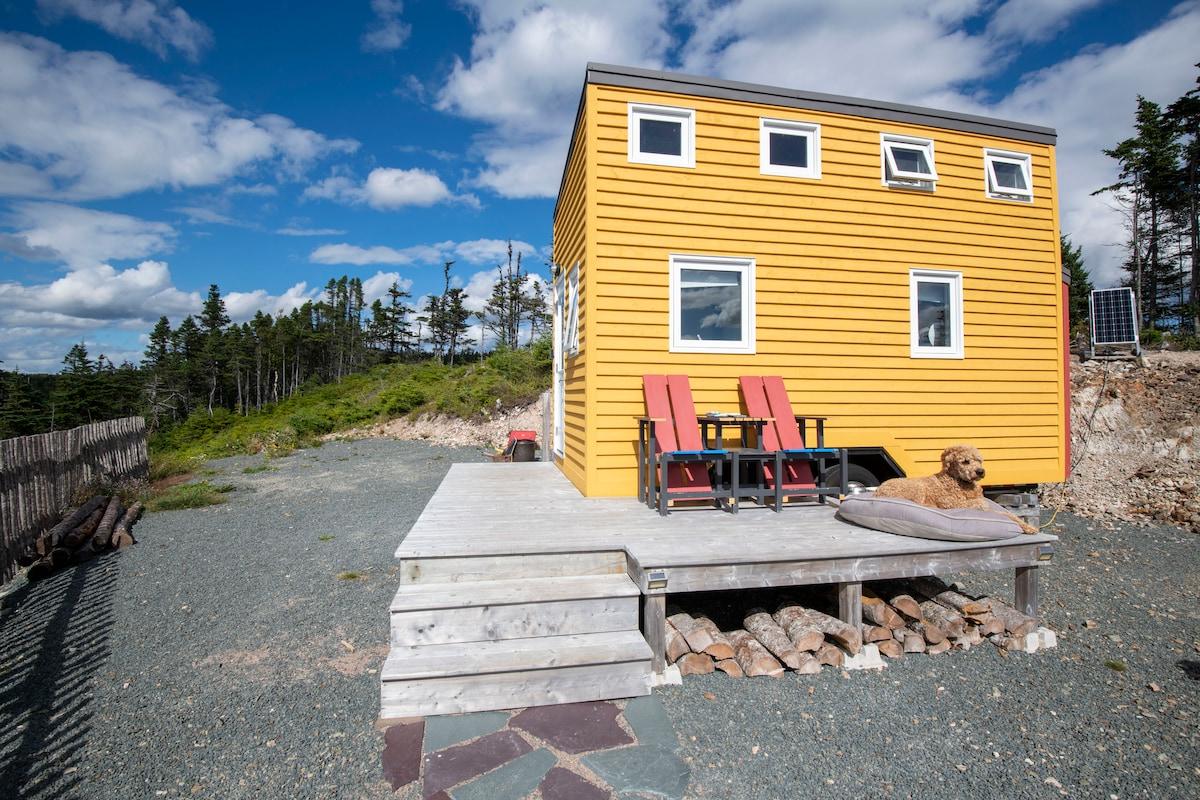
Are Tiny Homes Legal in Newfoundland? Rules, Permits and What to Know
Andrea | 10/18/2026
Tiny homes can be an appealing option if you want to own a home without taking on the cost of a larger house. But if you're planning to build or buy one in Newfoundland, there's one important question to answer first: Are tiny homes legal where you want to live?
The answer depends on the type of tiny home you're planning to use, where you want to put it, and the local rules that apply to your property.
Here's what to check before buying a tiny home or a piece of land in Newfoundland.
Are tiny homes legal in Newfoundland?
Yes, tiny homes can be permitted in Newfoundland, but you can't assume that every property will allow one.
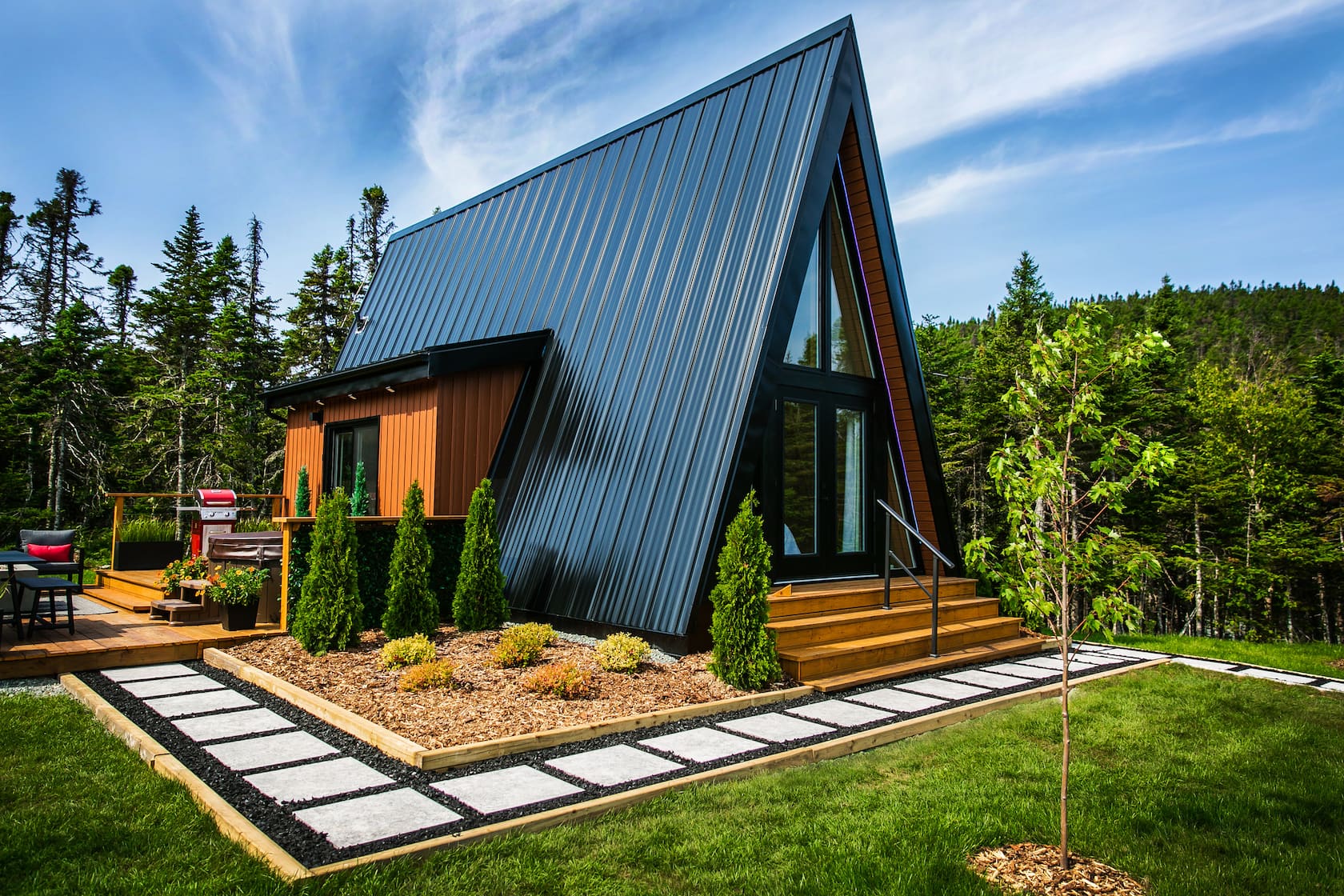
The province has building and public health requirements, while municipalities have their own land-use plans and development regulations. These local rules can determine which types of homes are allowed in a particular area and what conditions you need to meet.
For example, Norris Point's registered development regulations include specific provisions for tiny houses. They define a tiny house as a dwelling intended for year-round use on a permanent foundation, typically with a maximum floor area of less than 50 square metres. The regulations also address building-code compliance and property requirements.
This is why checking local regulations matters. A tiny home that's permitted in one community might not be allowed on a particular lot in another.
What rules apply to tiny homes in Newfoundland?
Before you buy or build a tiny home, check these four things.
1. Municipal zoning and land-use regulations
Start with the municipality where you want to live.
Local development regulations determine which types of residential buildings are permitted in different zones. They may also specify minimum lot sizes, setbacks, building placement, and other requirements.
Don't assume that owning a piece of land means you can put any type of home on it. Rural properties, residential subdivisions, and recreational lots can have different restrictions.
Contact the local planning or development office and ask whether your intended tiny home is permitted on the specific property you're considering.
You can also search the Government of Newfoundland and Labrador's municipal plans and development regulations registry for registered planning documents and amendments.
2. Building code requirements
A tiny home still needs to meet the building requirements that apply to its intended use.
A smaller floor plan doesn't automatically exempt a home from building-code requirements. Depending on the structure and location, you may need to address structural safety, insulation, ventilation, plumbing, electrical systems, and other building requirements.
The rules can also differ depending on whether you're building a permanent dwelling, buying a factory-built home, or using a unit designed for temporary or recreational occupancy.
Before choosing a design, ask the local building or development authority which building code and permit requirements apply to your project.
3. Building and development permits
You may need development approval, a building permit, or both, depending on the location and proposed use.
These approvals serve different purposes. Development approval generally deals with how the property will be used and whether the project complies with local planning regulations. A building permit addresses applicable construction requirements.
Ask the municipality which approvals you'll need before construction begins or the home is delivered.
If you're buying a prefab tiny home, don't assume that the manufacturer's specifications or certification automatically satisfy every local requirement. Confirm that the particular model can be approved for your intended use and location.
4. Water, sewage and other utilities
Your tiny home will need a suitable way to access water, manage wastewater, and connect to electricity or another appropriate power source.
If the property isn't connected to municipal water and sewer services, you may need approval for a private water supply and sewage disposal system.
Newfoundland and Labrador requires site evaluation and approval for applicable private water and sewage systems. An approved designer must assess the site and prepare the required plans. Not every lot will qualify, since soil conditions, groundwater levels, available space, and the location of nearby structures can affect approval.
Check the requirements before buying rural land. A property that looks ideal for a tiny home might not have enough suitable space for the required water and sewage systems.
For more information, see the provincial government's guidance on private sewage disposal and septic system and well approval.
Can you live in a tiny house on wheels in Newfoundland?
A tiny house on wheels isn't necessarily treated the same way as a permanent house.
Some people use tiny houses on wheels as their primary residence, while others use them for recreation or seasonal stays. The intended use, the way the unit is constructed, and where it's placed can affect which rules apply.
For example, a municipality may have different requirements for a dwelling on a permanent foundation and a movable unit. Rules for recreational vehicles or temporary accommodation may not allow you to use a unit as a full-time residence.
Before purchasing a tiny house on wheels, ask the municipality:
Can I use this type of unit as a year-round residence?
Can it be placed on the property I have in mind?
Does it need a permanent foundation or other specific supports?
What development or building approvals are required?
Are there restrictions on how long I can occupy it?
Get clear answers for your particular property and intended use before committing to a purchase.
Can you put a tiny home on rural land in Newfoundland?
Possibly, but rural land isn't automatically exempt from planning and building requirements.
Some properties may be suitable for a permanent dwelling, while others may have restrictions related to zoning, road access, environmental conditions, or private water and sewage systems.
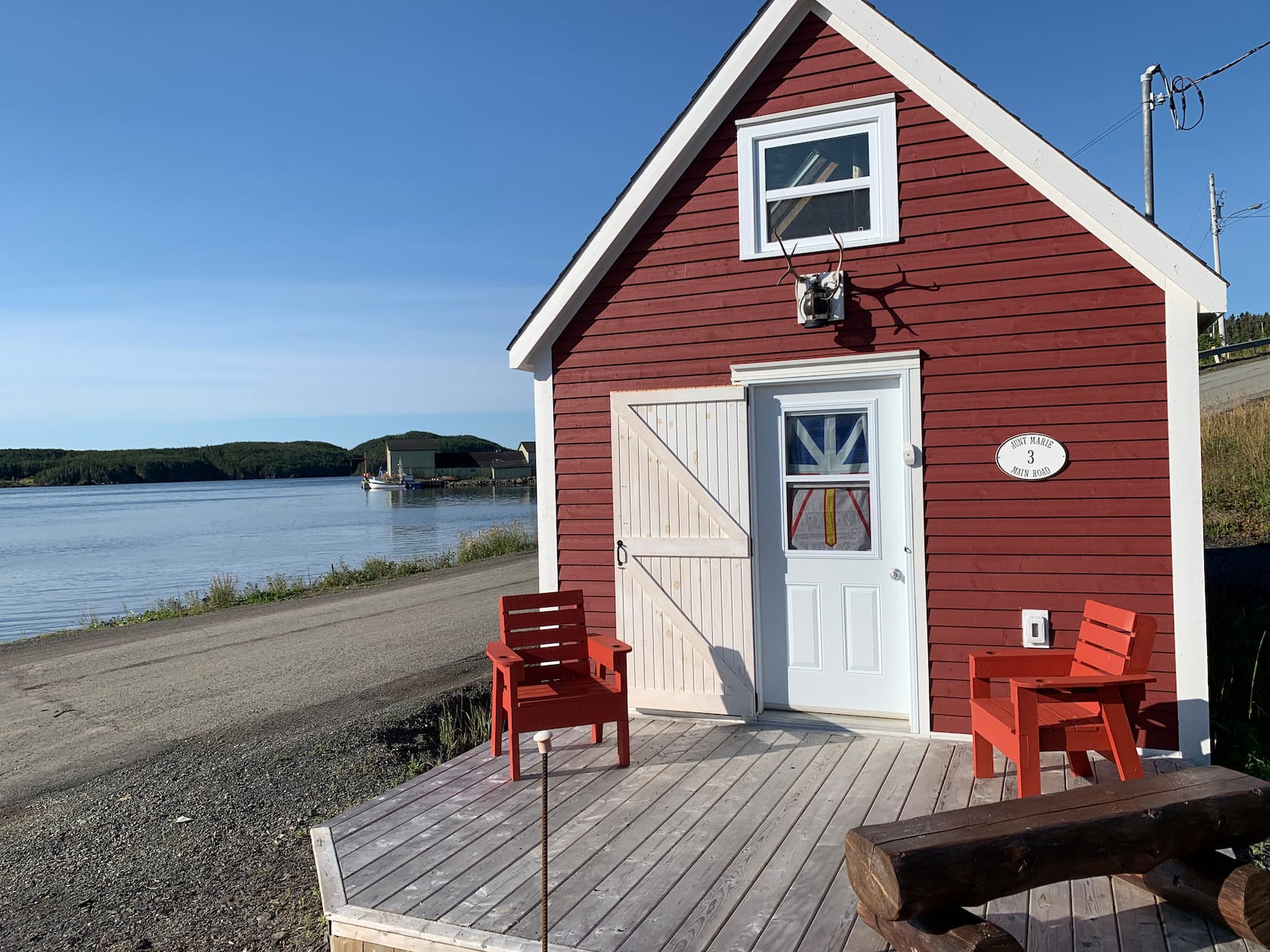
If you're looking at land outside a major town, check the following before making an offer:
Whether the property is within a municipal planning area
Whether residential use is permitted
Whether the intended tiny home meets local requirements
Whether the lot can accommodate the required water and sewage systems
Whether road access, electricity, and other services are available
Whether any other restrictions apply to the property
If the property is outside a municipality, ask the relevant provincial authority which planning, building, and health requirements apply. Don't assume that a lack of municipal services means there are no regulations.
What should you check before buying a tiny home in Newfoundland?
The safest approach is to confirm that your home and property will work together before spending money.
Use this checklist to get started:
Choose the municipality or area where you want to live.
Find the current development regulations and zoning information.
Confirm that your intended type of tiny home is allowed.
Ask which building and development permits you need.
Check foundation, lot size, setback, and other site requirements.
Confirm water, sewage, electrical, and heating requirements.
Ask about additional rules for homes on wheels or factory-built units.
Get written confirmation of key requirements before buying land or placing a deposit on a home.
If you're buying land, make your purchase conditional on confirming that your intended residential use is permitted, where that is practical and legally available.
Where can you find tiny home regulations in Newfoundland?
Start with official sources rather than relying only on a builder's website or advice from another tiny home owner.
Here are two useful places to look:
Municipal plans and development regulations: Find registered municipal planning documents and amendments.
Private sewage disposal guidance: Learn about site evaluations and approvals for private sewage and water systems.
You can also contact the municipality's planning or development office directly. If you're unsure which authority covers a property, ask the provincial government for guidance.
Tiny Home Rules in Newfoundland: Municipal Examples
Tiny home regulations can vary from one community to another. Some municipalities have specific provisions for tiny houses, while others require you to check the zoning and development rules for your property.
Here are a few places to start your research.
Norris Point
Norris Point is a useful example because its development regulations specifically address tiny houses and tiny house subdivisions.
The town's 2024 development regulations include requirements for tiny houses, including compliance with the National Building Code, permanent living facilities, and applicable residential-zone standards. Developing a tiny house subdivision also requires a Planned Unit Development application.
These provisions don't mean every property in Norris Point automatically qualifies for a tiny home. You'll still need to confirm the zoning and requirements for your intended site.
Official source: Norris Point Municipal Plan and Development Regulations
Pouch Cove
If you're considering land in Pouch Cove, start with the town's current development regulations and zoning maps.
The town's registered planning documents include amendments, so check the latest versions before deciding whether a particular property can accommodate your home. Contact the town to confirm the rules for a permanent tiny house, a prefab unit, or a home on wheels.
Official source: Pouch Cove Municipal Plan and Development Regulations
Gander
Gander is another place to check if you're considering a tiny home in central Newfoundland.
The town publishes its municipal plan, development regulations, zoning maps, and amendments through the provincial registry. Use these documents to determine whether your proposed home is permitted in the property's zone and what site or permit requirements apply.
Don't assume a tiny house, mini-home, and mobile home are treated as the same type of dwelling.
Official source: Gander Municipal Plan and Development Regulations
St. John's
If you're planning to live in or around St. John's, check the city's development regulations before buying land or ordering a tiny home.
Start by confirming the property's zoning, whether the proposed dwelling is an allowed use, and which permits are required. If you're considering a backyard unit or a home on wheels, ask specifically about those arrangements rather than relying on rules for conventional houses.
Official source: Newfoundland and Labrador's Municipal Plans and Development Regulations Registry
How to check the rules for your property
For any municipality, the most reliable approach is to:
Find the property's zoning and the municipality's current development regulations.
Confirm whether your type of tiny home is permitted in that zone.
Ask which development and building permits are required.
Check the requirements for foundations, setbacks, water, and sewage.
Get confirmation from the municipality before buying land or placing a deposit on a home.
The provincial government maintains a registry of municipal plans and development regulations. Because amendments can change the rules, always check the latest documents and confirm the requirements directly with the relevant municipality.
Is a tiny home a good option in Newfoundland?
A tiny home can be a practical way to reduce your housing footprint, but choosing the right location is just as important as choosing the home itself.
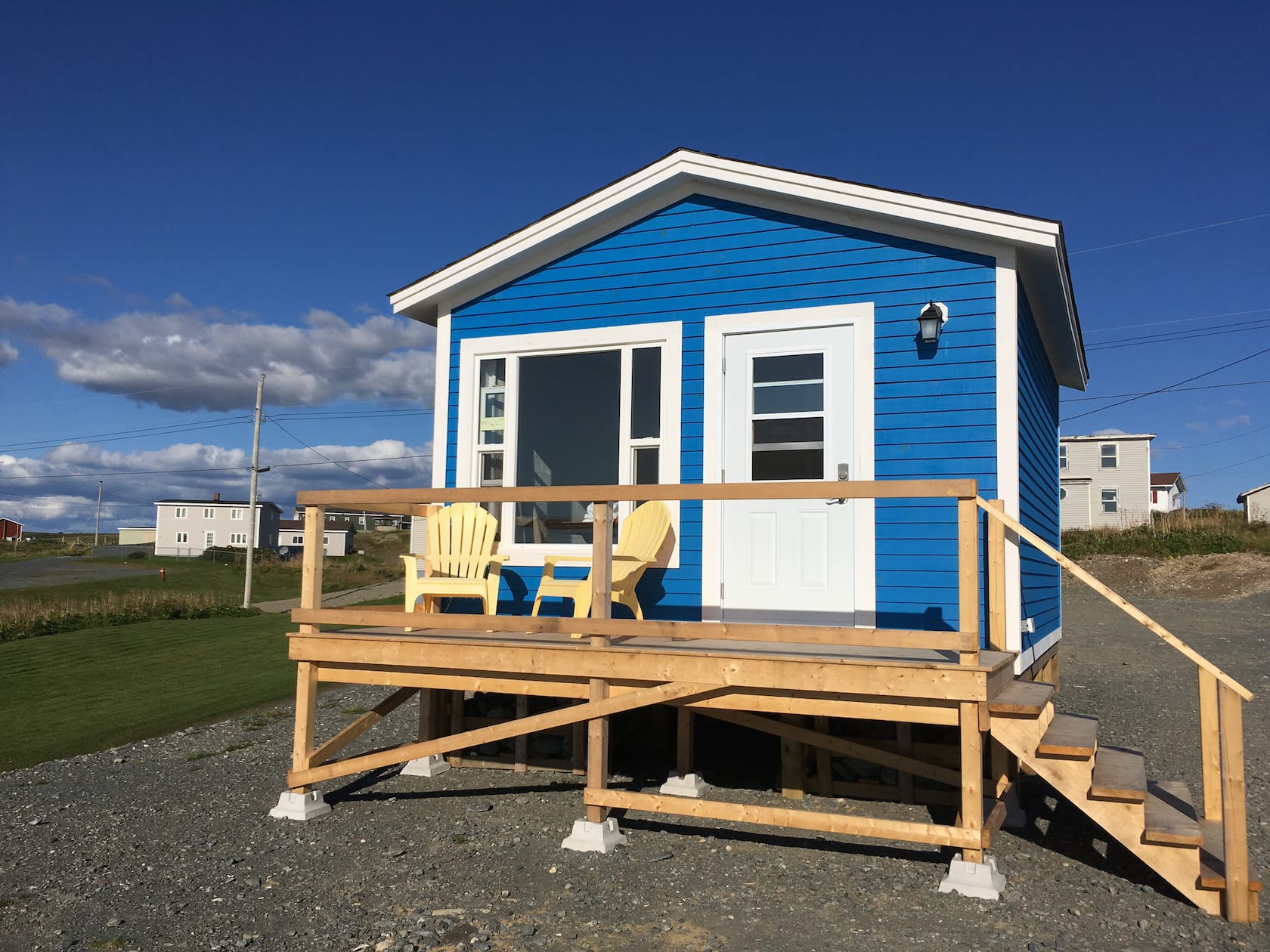
Before you focus on floor plans, prices, or off-grid equipment, confirm that your intended home can be approved for the property. Then look at the costs of preparing the site, connecting utilities, and making the home comfortable for year-round living.
The bottom line: Tiny homes can be allowed in Newfoundland, but the rules depend on the property, the municipality, and the type of home. Check the local requirements before buying land, ordering a prefab unit, or starting construction.
Note: Regulations and approval requirements can change. This guide is for general information and isn't a substitute for confirmation from the relevant municipal or provincial authority. Check the current rules for your specific property before making a purchase or starting a project.
Comments (0)
No comments yet. Be the first to share your thoughts.