
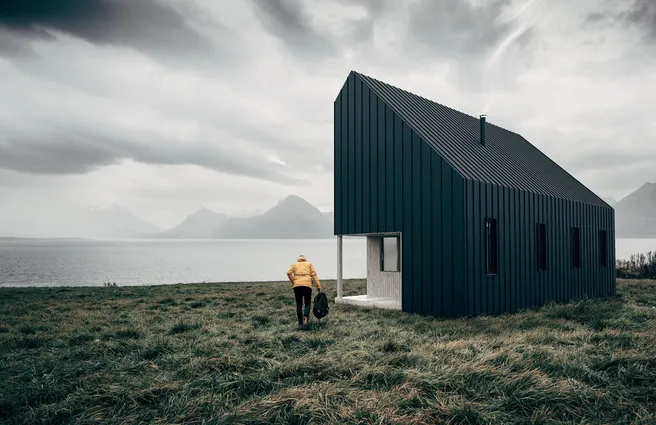
How Much Does a Tiny Home Cost in Newfoundland? Prices, Builders and Other Expenses
Andrea | 11/11/2026
Buying a tiny home in Newfoundland might cost less than buying a traditional house, but the price you see advertised isn't necessarily what you'll pay to move in.
A small home on wheels, for example, might start at around $65,000 CAD. A larger, factory-built home can cost considerably more. Then there are delivery, land preparation, foundations, utilities, and permits to consider.
If you're thinking about making the move to tiny living, it's worth looking at the full cost before choosing a model or builder.
So, how much does a tiny home cost in Newfoundland? Here's a look at published builder prices, local options, and the additional expenses you'll need to include in your budget.
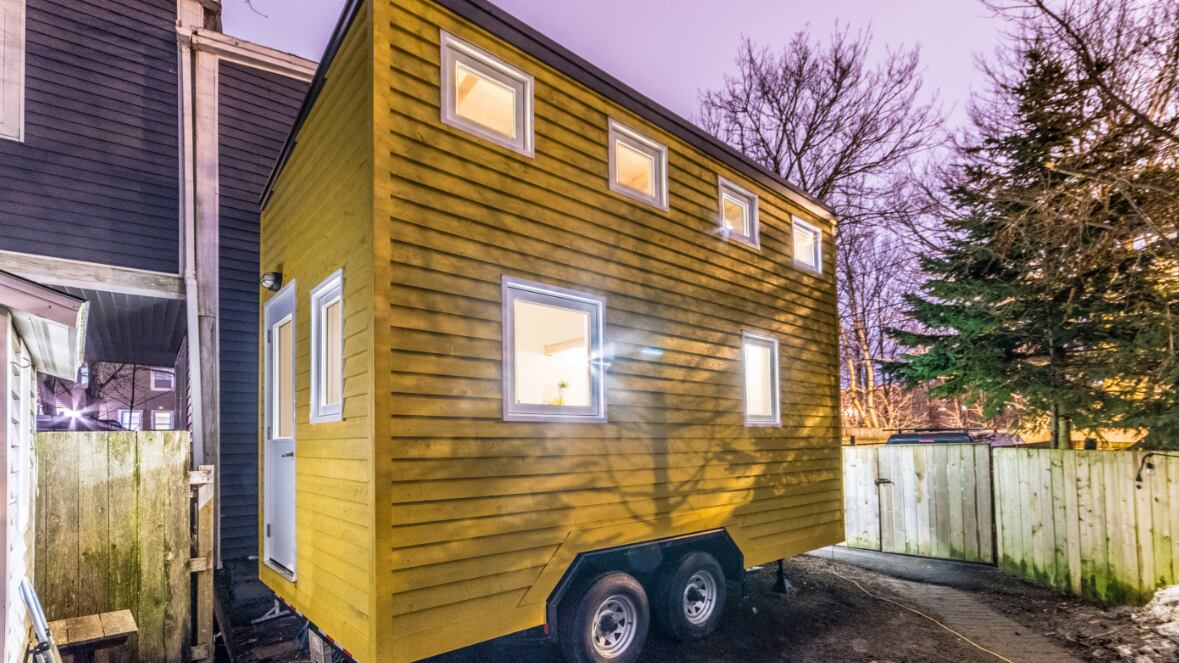
How Much Does a Tiny Home Cost in Newfoundland?
The cost depends on the type of home, its size, how it's built, and how much work is needed to prepare the property.
Based on published builder prices and Newfoundland prefab housing estimates, here's a general idea of what you might encounter:
Type of home | Published or estimated price |
|---|---|
From $65,000 | |
From $96,500 | |
Minimaliste modular tiny homes | From $157,950 |
Larger modular and manufactured homes | From approximately $114,000 to $120,000 |
These are advertised starting prices, not complete project costs. They also come from different builders and product categories, so they shouldn't be treated as direct comparisons.
For example, a tiny home on wheels and a modular home designed for a permanent foundation have different construction requirements, delivery costs, and installation needs.
The Canadian Red Cross published a Newfoundland prefab housing budget in 2025 that provides another useful reference. Its estimates put the total cost of a modular home project at approximately $235,175 to $405,375, including site preparation, installation, transportation, utilities-related work, and 15% HST.
That estimate covers larger prefabricated homes rather than tiny homes specifically, but it shows how quickly the total can increase once you account for everything beyond the home itself.
Tiny Home Builders Serving Newfoundland
If you're looking for a tiny home in Newfoundland, you have a few options. Some builders offer compact homes on wheels, while others specialize in modular and manufactured homes that can be delivered to your property.
Here are some companies worth exploring.
1. Rollin Cabins

Based in Grand Falls-Windsor, Rollin Cabins was founded by Sean Mercer and introduced a portable tiny-home design intended to offer the comforts of a traditional home in a much smaller space.
The company's first featured model measured 8.5 by 24 feet and included:
A loft-style bedroom
A full-sized kitchen
A three-piece bathroom
A propane heater
A 160W solar system
Options for 12-volt DC power or a conventional 120-volt AC connection
When we first featured Rollin Cabins in May 2026, Mercer quoted a starting price of $65,000 CAD. Construction took approximately eight weeks, although the final price depended on the customer's preferred features and finishes.
That makes Rollin Cabins an interesting option for anyone looking for a compact home on wheels.
However, the $65,000 figure is the historical price published in our original feature, not a confirmed current quotation. Contact the company to check its current availability, pricing, delivery arrangements, and specifications.
Read more: Rollin Cabins Brings Tiny Homes to Newfoundland
2. Minimaliste

If you're open to ordering a tiny home from outside Newfoundland, Minimaliste offers several models for delivery to the province.
The Canadian builder has both mobile and modular options, including models designed for year-round living.
Its published starting prices include:
Model | Starting price (CAD) |
|---|---|
Mini 16 | $96,500 |
Nomad 24 | $119,500 |
Nomad 28 | $125,000 |
Nomad 30 | $130,000 |
Mini 35 | $149,500 |
Thuya | $157,950 |
Mini 40 | $160,000 |
Noyer | $178,500 |
Prices are based on the models listed on the company's Newfoundland and Labrador page. Confirm current pricing, taxes, delivery, installation, and included features directly with the builder.
The Nomad models are particularly worth looking at if you prefer a home on wheels. The Mini models offer another option for buyers interested in a compact home with a more permanent setup.
Minimaliste also promotes four-season construction, with insulation and building specifications designed for colder climates. This is worth considering in Newfoundland, where a home needs to handle winter temperatures and changing weather conditions.
3. Nu Home Solutions
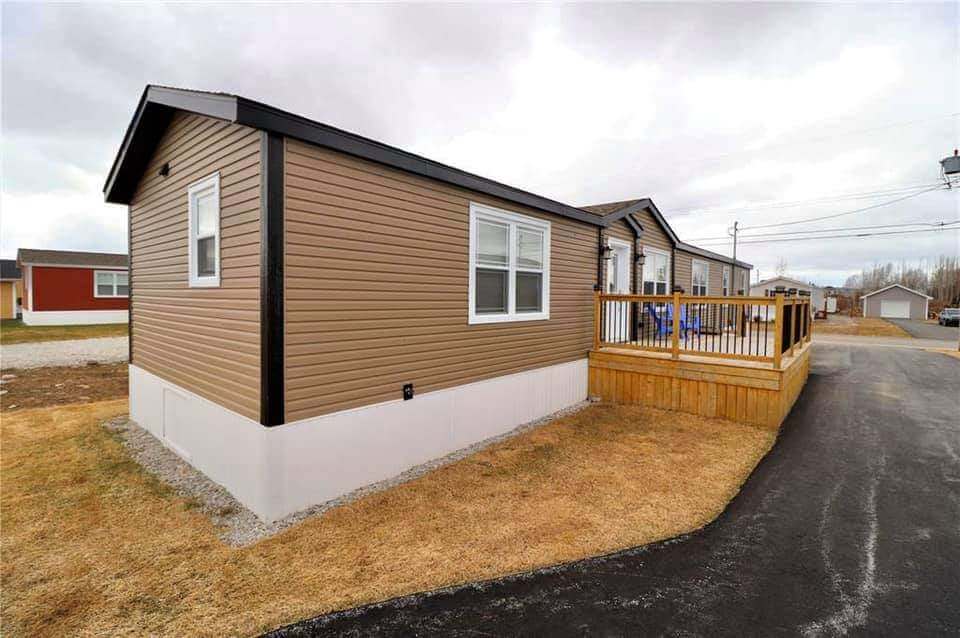
If you're considering something larger than a traditional tiny home, Nu Home Solutions is another local option.
Based in Deer Lake, the company sells Atlantic Canadian-made Supreme Homes mini homes and offers customized floor plans.
Its services include:
Mini-home design and sales
Custom floor plan options
Financing assistance
Show-home viewing
Delivery and related home-buying support
Nu Home Solutions does not publish a general price list on its website. Instead, buyers can use its online home builder to customize a model and request a quotation.
Mini homes are generally larger than the tiny homes discussed in this article, so they aren't a direct comparison. However, they're worth considering if you want more living space without going through a conventional site-built construction project.
What About Other Modular Home Builders?
There are also companies offering larger modular and manufactured homes in Newfoundland and Labrador.
For example:
Modular Home Solutions is based in La Scie and builds modular homes and mini homes.
Homeworx serves Atlantic Canada and offers modular homes. Its 2026 available-home listings start in the $170,000s, including delivery, installation, and foundation. These are larger homes, not tiny homes.
KSAB Home offers turnkey mini and modular home packages, including site work, foundations, water and sewer connections, electrical work, and finishing services.
These companies give buyers more options if a tiny home turns out to be too small for their needs.
What Other Expenses Should You Budget For?
The home itself is only one part of the project. Depending on the property and the type of home you choose, the additional costs can be substantial.
Here are the main expenses to consider.
1. Land and Site Preparation
If you already own a suitable property, you may be able to avoid purchasing land. However, that doesn't mean it's ready for a tiny home.
You may need to pay for:
Clearing trees and brush
Excavation and levelling
Grading and drainage
Driveway construction or improvements
Access roads for delivery trucks
Removal of rocks or other obstacles
Newfoundland's rocky terrain and uneven rural properties can make site preparation more complicated.
The Canadian Red Cross estimates site preparation for a prefab home at approximately $10,000 to $40,000. This is a broad planning allowance for modular and manufactured homes, not a fixed price for every tiny-home project.
A relatively flat, accessible lot may need very little work. A sloped or heavily wooded property could require considerably more.
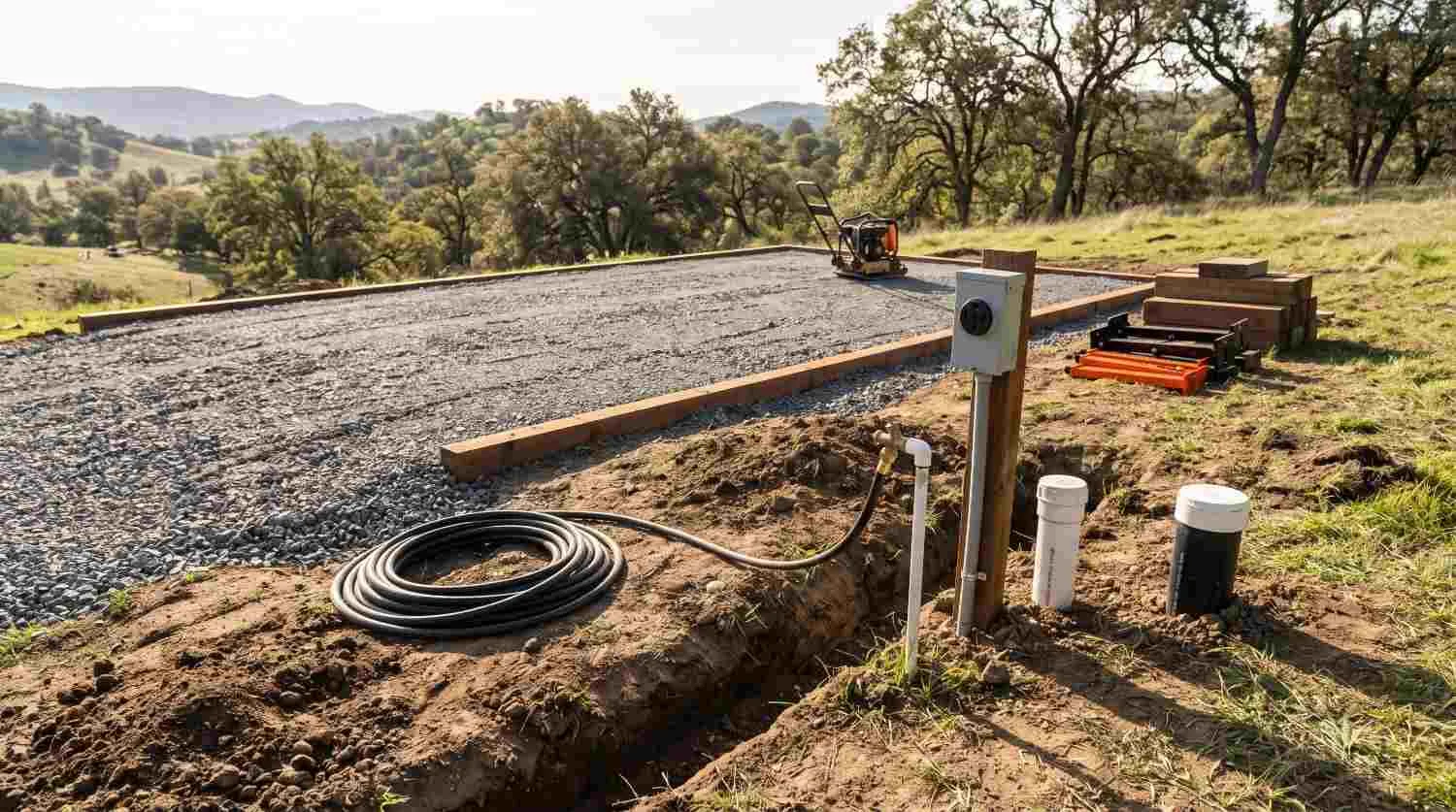
2. Foundation
The foundation you need depends on the type of tiny home you're buying.
A home designed for a permanent foundation will have different requirements from one built on a trailer.
Possible options include:
Concrete slab
Concrete piers
Screw piles
Crawl space foundation
Engineered support systems
Some homes on wheels are designed to sit on their own trailers, but that doesn't automatically mean you can park one anywhere and use it as a permanent residence.
Check the builder's specifications and local requirements before deciding on a foundation.
For larger prefab homes, the Canadian Red Cross estimates foundation costs at $12,000 to $35,000 for modular homes and $5,000 to $20,000 for manufactured homes.
A smaller tiny-home project may cost less, but the actual price depends on the site, engineering requirements, and installation method.
3. Water and Septic Systems
This is one of the biggest expenses to consider if you're planning to build on rural land.
If the property isn't connected to municipal water and sewer services, you'll need an appropriate water supply and sewage disposal system.
Your options may include:
Drilled well
Dug well, where permitted and suitable
Septic tank and disposal field
Approved alternative sewage treatment system
In Newfoundland and Labrador, an unserviced building lot must be approved for its proposed private water and sewage systems.
The application process includes a site plan, proposed floor plan, percolation test results, groundwater information, and septic system design prepared by an approved designer.
You can find the requirements through the Government of Newfoundland and Labrador's well and septic approval information.
The Canadian Red Cross uses an allowance of $15,000 to $40,000 for new well and/or septic installation in its prefab home budget.
The actual cost depends on the property, soil conditions, groundwater, drilling depth, and the type of sewage system required.
If the property already has a well and septic system, have them inspected to confirm that they're suitable for the proposed home and intended occupancy.
4. Electricity and Off-Grid Systems
A tiny home doesn't necessarily need to be connected to the conventional electrical grid, but you'll still need a reliable source of power.
You could choose a standard electrical connection or an off-grid setup.
For an off-grid system, your budget may need to cover:
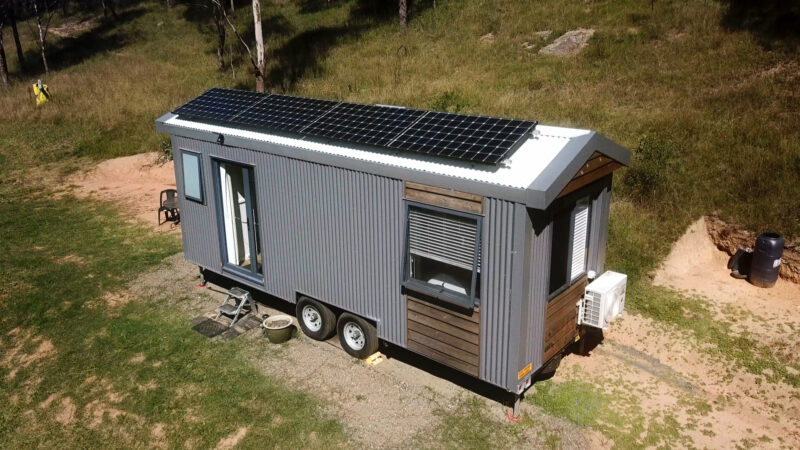
Solar panels
Battery storage
Inverter
Charge controller
Wiring and electrical installation
Backup generator
The size of the system depends on how much electricity you use.
A small solar setup may be enough for basic lighting and charging devices. If you want to run a refrigerator, cooking appliances, water heater, and other household equipment, you'll need a larger system.
For year-round living, also consider how reduced winter sunlight and snow accumulation may affect solar production.
If you plan to connect to the grid, check the cost of bringing electrical service to the property. Rural properties may require additional trenching, poles, wiring, and electrical work.
The Canadian Red Cross estimates electrical costs for larger prefab homes at $5,000 to $20,000 for modular homes and $3,000 to $10,000 for manufactured homes.
These are reference figures rather than tiny-home installation quotes.
5. Heating and Insulation
Newfoundland winters make heating and insulation particularly important.
A tiny home may be cheaper to heat than a conventional house because there's less space to keep warm. However, a poorly insulated home can still be uncomfortable and expensive to operate.
Depending on the design, heating options include:
Electric baseboard heaters
Mini-split heat pumps
Propane heaters
Wood stoves, where permitted and properly installed
You'll also want to look at wall, roof, and floor insulation, window quality, air sealing, and ventilation.
Condensation can become a problem in small spaces, particularly when cooking, showering, and drying clothes. Proper ventilation helps control moisture and protect the structure.
If you intend to live in your tiny home throughout the year, ask the builder for its insulation specifications and the home's suitability for Newfoundland's climate.
A recreational cabin designed for occasional summer use isn't necessarily suitable for permanent occupancy.
6. Delivery and Installation
Delivery is another expense that can catch buyers off guard.
A tiny home built outside Newfoundland may need to travel a considerable distance before reaching your property.
The final delivery cost depends on:
Distance from the builder
Size and weight of the home
Road and transport restrictions
Site accessibility
Special transport permits
Crane requirements
Installation work
For larger prefab homes, the Canadian Red Cross estimates transportation at $15,000 to $40,000 for modular homes and $6,000 to $12,000 for manufactured homes.
Crane placement may add another $10,000 to $20,000 for modular homes, depending on the project.
These figures shouldn't be applied directly to a small home on wheels, but they illustrate why it's important to request a delivery quote before committing to a purchase.
Ask the builder if the quoted price includes transportation to your specific Newfoundland location, unloading, placement, and final installation.
7. Permits and Inspections
You'll need to check the applicable building, development, and installation requirements before buying a home.
The rules depend on the property, municipality, and type of dwelling.
A tiny home intended for permanent year-round occupancy may be treated differently from a recreational vehicle or seasonal cabin.
For example, the City of St. John's requires permits for new construction and reviews projects against applicable building codes and local bylaws. Other municipalities have their own development regulations.
If you're buying land outside an incorporated municipality, you'll need to check the applicable provincial requirements.
Don't assume that a home on wheels is automatically exempt from local rules.
Before ordering, contact the appropriate authority and confirm:
Whether the property is zoned for the intended use
Whether a tiny home can be used as a permanent dwelling
What building and development permits are required
Whether the home needs a permanent foundation
What inspections are required
Whether an occupancy permit is needed
The City of St. John's building permit information is a useful starting point for buyers in the city.
The Canadian Red Cross estimates permit costs of $500 to $3,500 for modular homes and $500 to $2,000 for manufactured homes. These are planning allowances, not provincial fee schedules.
8. Taxes, Insurance, and Other Costs
Don't forget to account for the smaller expenses that add up.
HST
Newfoundland and Labrador has a 15% Harmonized Sales Tax rate on most taxable goods and services.
Check if the builder's advertised price includes HST or if it will be added to your final invoice.
Insurance
Insurance requirements depend on the home's construction, certification, foundation, and intended use.
A home on wheels may need different coverage from a permanently installed modular home.
Check with an insurance broker before purchasing. Some insurers may also have additional requirements for homes in coastal or high-wind areas.
Decks, steps, and skirting
These may not be included in the builder's base price. You'll need to account for them if they're necessary for safe access and installation.
Internet and communications
If you're building in a rural area, check internet availability and installation costs. Satellite internet may be an option in locations without reliable wired service.
Contingency fund
Set aside money for unexpected expenses. The Canadian Red Cross recommends keeping approximately 15% of the total project cost as a contingency fund for prefab home projects.
For a tiny home, this is a sensible approach too, particularly if the property needs significant preparation.
How Much Does a Complete Tiny Home Project Cost?
Let's look at a few examples to understand how the costs can add up.
Example 1: A Tiny Home on Wheels
Suppose you're considering a compact home similar to the Rollin Cabins model, with a historical starting price of $65,000.
Your budget might look something like this:
Expense | What to budget |
|---|---|
Tiny home | From $65,000 (historical quoted price) |
Delivery | Request a location-specific quote |
Site preparation | Depends on property |
Utility connections | Depends on existing services |
Foundation or support | Depends on approved installation |
Permits and inspections | Confirm locally |
HST | Confirm taxable items and builder's quote |
The important point is that the $65,000 price isn't an all-in project estimate.
If the home is going onto an existing property with suitable access and services, you may avoid some major expenses. If you're starting with an undeveloped rural lot, the additional work could be substantial.
Example 2: A Tiny Home on an Unserviced Rural Property
Now imagine buying a tiny home from an out-of-province builder and placing it on a rural property without municipal services.
You'll need to consider:
Land clearing and grading
A suitable foundation or approved support system
A well
A septic system
Electrical service or an off-grid power system
Delivery and installation
Permits and inspections
Insurance
In this situation, the home itself could be only part of the total investment.
The Canadian Red Cross's prefab housing estimates are a useful reference for understanding these additional costs. Its modular-home example totals $235,175 to $405,375, including HST, before adding a recommended contingency fund.
This isn't a quoted tiny-home price, but it demonstrates why choosing a property with existing services can make a significant difference to your budget.
Are Tiny Homes Cheaper Than Traditional Houses in Newfoundland?
They can be, but it depends on what you're comparing.
A small home on wheels may have a much lower purchase price than a conventional house. It can also use less energy and require fewer materials to build.
However, the cost savings aren't always as significant once you add land, foundations, utilities, transportation, and permits.
Newfoundland and Labrador's housing market is relatively affordable compared with many other Canadian provinces. According to the provincial government's 2026 budget documents, the average annual residential resale price increased to $344,826 in 2025.
That gives buyers another useful comparison point when considering a tiny home.
A $65,000 tiny home may look like a bargain, but a project involving undeveloped land and new services can become a much larger investment.
The best comparison is the total cost of a completed, approved home against the cost of buying or building a conventional property in the same area.
Is a Tiny Home Worth It in Newfoundland?
For some buyers, absolutely.
Tiny homes can work well for people who want a smaller living space, lower maintenance requirements, or a simpler lifestyle.
They may also be worth considering as seasonal cabins, guest accommodations, or recreational properties, provided the intended use is permitted.
However, there are a few things to think about before making the purchase.
Think about year-round comfort. Make sure the home is designed for Newfoundland winters, with suitable insulation, heating, windows, and ventilation.
Check the property first. A cheap piece of land isn't necessarily suitable for a tiny home. Zoning, access, water, sewage, and building requirements can make a big difference.
Understand the home's classification. A recreational vehicle, manufactured home, and permanent dwelling may have different requirements for installation, financing, insurance, and occupancy.
Look beyond the advertised price. Ask for a complete quotation that includes delivery, installation, taxes, and any upgrades you need.
Consider resale and financing. Some lenders and insurers may treat homes on wheels differently from conventional homes. Confirm your options before paying a deposit.
Questions to Ask Before Buying a Tiny Home
Before signing a contract, get clear answers to these questions:
Is the quoted price in Canadian dollars?
Does it include HST?
What appliances, fixtures, and finishes are included?
Is the home suitable for year-round living in Newfoundland?
What insulation and heating systems are included?
Does the home have the required certification or documentation for its intended use?
Is delivery to my property included?
Who handles site preparation and installation?
What foundation or support system is required?
What permits and inspections will I need?
What warranties are included?
What is the payment schedule?
Can the builder provide references from previous customers?
Get the answers in writing and compare complete quotations rather than relying on the advertised starting price.
Final Thoughts
Buying a tiny home in Newfoundland can be an interesting alternative to conventional homeownership, particularly if you're looking for a smaller, more manageable space.
There are options ranging from compact homes on wheels to larger modular and manufactured homes. The right choice depends on your budget, the property, and how you intend to use the home.
The biggest thing to remember is that the purchase price isn't the whole story. Delivery, site preparation, foundations, utilities, and local requirements can all affect the final cost.
Do your research before choosing a builder, check the property with your municipality, and get a complete project estimate.
A little planning upfront can help you avoid some expensive surprises later.
Frequently Asked Questions
How much does a tiny home cost in Newfoundland?
Published prices vary by builder and home type. Rollin Cabins previously quoted a starting price of $65,000 CAD for its first model, while Minimaliste lists tiny homes starting at $96,500 CAD. These are advertised starting prices and don't necessarily include delivery, installation, taxes, or site work.
Are there tiny home builders in Newfoundland?
Rollin Cabins, based in Grand Falls-Windsor, has been featured as a local tiny-home builder. Buyers can also explore companies such as Minimaliste, which offers models for Newfoundland and Labrador. For larger mini and modular homes, Nu Home Solutions and Modular Home Solutions are additional options.
Can I put a tiny home on my own land in Newfoundland?
Not automatically. You need to confirm that the property permits the intended use and that the home meets applicable zoning, building, and servicing requirements. Contact your municipality or the appropriate provincial authority before purchasing a home.
Are tiny homes legal in Newfoundland and Labrador?
Tiny homes can be permitted in certain circumstances, but the rules depend on the municipality, land-use designation, building classification, and intended use. A recreational home on wheels may be treated differently from a permanent dwelling.
Do tiny homes need a foundation in Newfoundland?
It depends on the type of home and its intended use. Modular homes designed as permanent dwellings generally require a permanent foundation. Other homes may use a different approved support system. Check the manufacturer's specifications and local requirements.
Can I live in a tiny home year-round in Newfoundland?
Yes, provided the home and its location meet the applicable requirements for permanent occupancy. Choose a model designed for four-season use, with suitable insulation, heating, ventilation, and plumbing.
Is a tiny home cheaper than a mini home?
A tiny home on wheels may have a lower starting price than a conventional mini home. However, the total cost depends on the size, construction, land, delivery, foundation, and utility requirements. Compare complete project costs before deciding.
Sources and further reading
Comments (0)
No comments yet. Be the first to share your thoughts.